Trenchless Installation Planning
Horizontal Directional Drilling Support in West Palm Beach
Investigate potential underground conflicts along your planned trenchless installation route. Get a Free Estimate
Trenchless Installation Planning
Investigate potential underground conflicts along your planned trenchless installation route. Get a Free Estimate
Horizontal directional drilling, or HDD, installs underground utilities along a planned bore path while limiting the need for a continuous open trench. The method is commonly considered for utility crossings, service installations, and work in locations where surface disruption needs to be minimized. A successful project depends on route planning, ground conditions, utility clearance, bore design, and suitable construction controls.
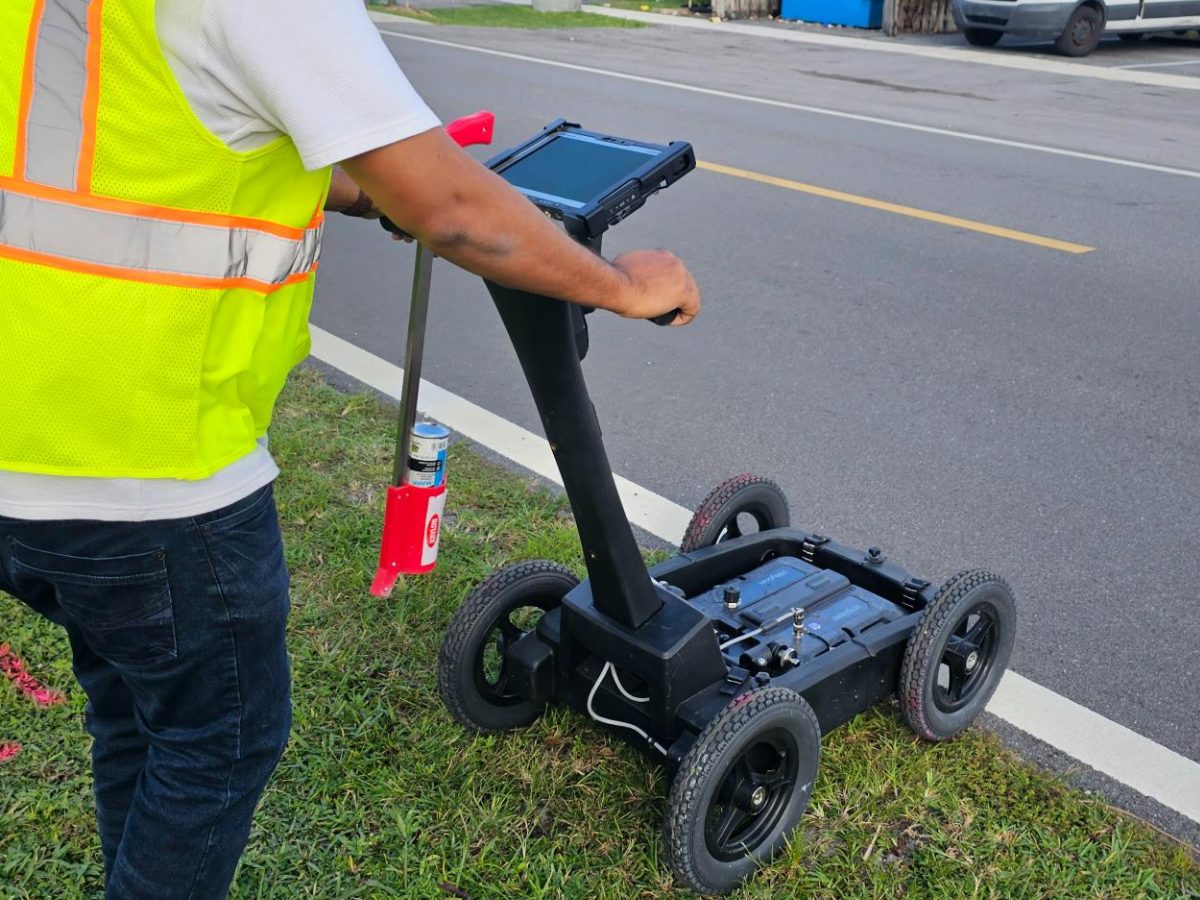
Subsurface investigation can support HDD planning by identifying potential buried utilities and other detectable features near the proposed route. GPR, electromagnetic locating, records review, and other methods may help inform the investigation, depending on the target and site conditions. Scanning information is only one part of the planning process; it does not establish the complete geology, guarantee clearance along the entire bore path, or replace engineering design, permits, utility notifications, or qualified drilling operations.
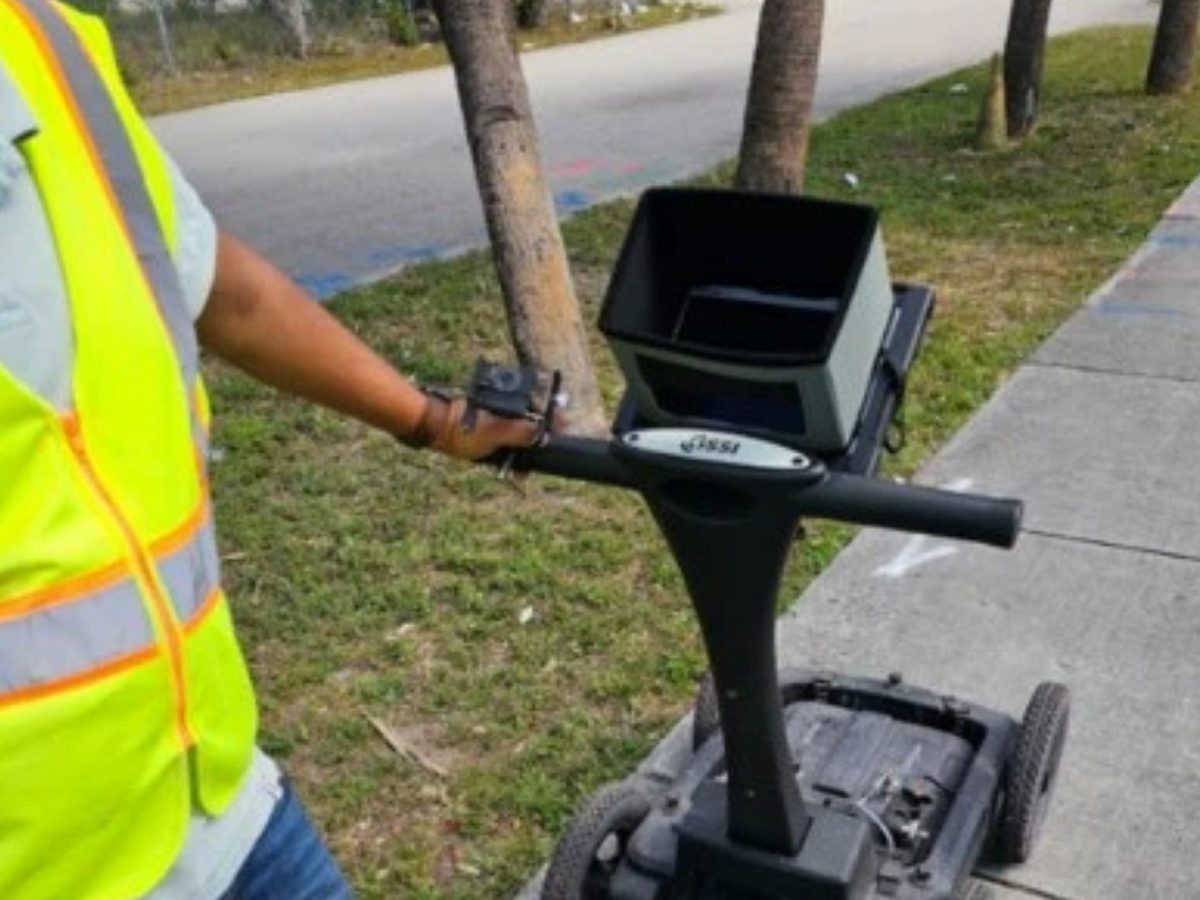
Each trenchless installation has its own route, entry and exit locations, depth requirements, and surrounding infrastructure. Investigation should be coordinated with the drilling plan and the responsible project team.
Investigate accessible sections near the planned route for potential utility conflicts and other detectable subsurface features.
Assess the proposed launch and receiving areas where pits, equipment setup, and connecting utilities may require excavation.
Review known and potential utility crossings to help identify areas where further locating, exposure, or design review may be necessary.
Discuss investigation findings with the project team so unresolved conflicts and limitations can be addressed before drilling proceeds.
| Service | Estimated Cost | Average |
|---|---|---|
| Entry or exit area investigation | Quote required | Depends on scope |
| Defined route section | Quote required | Depends on length and access |
| Complex utility crossing investigation | Quote required | Depends on site conditions |
These are scope descriptions, not confirmed HDD drilling rates or verified local averages. Investigation cost depends on route length, utility congestion, access, methods, reporting, and coordination needs. Actual drilling, engineering, permits, and construction costs are separate and require their own estimates.
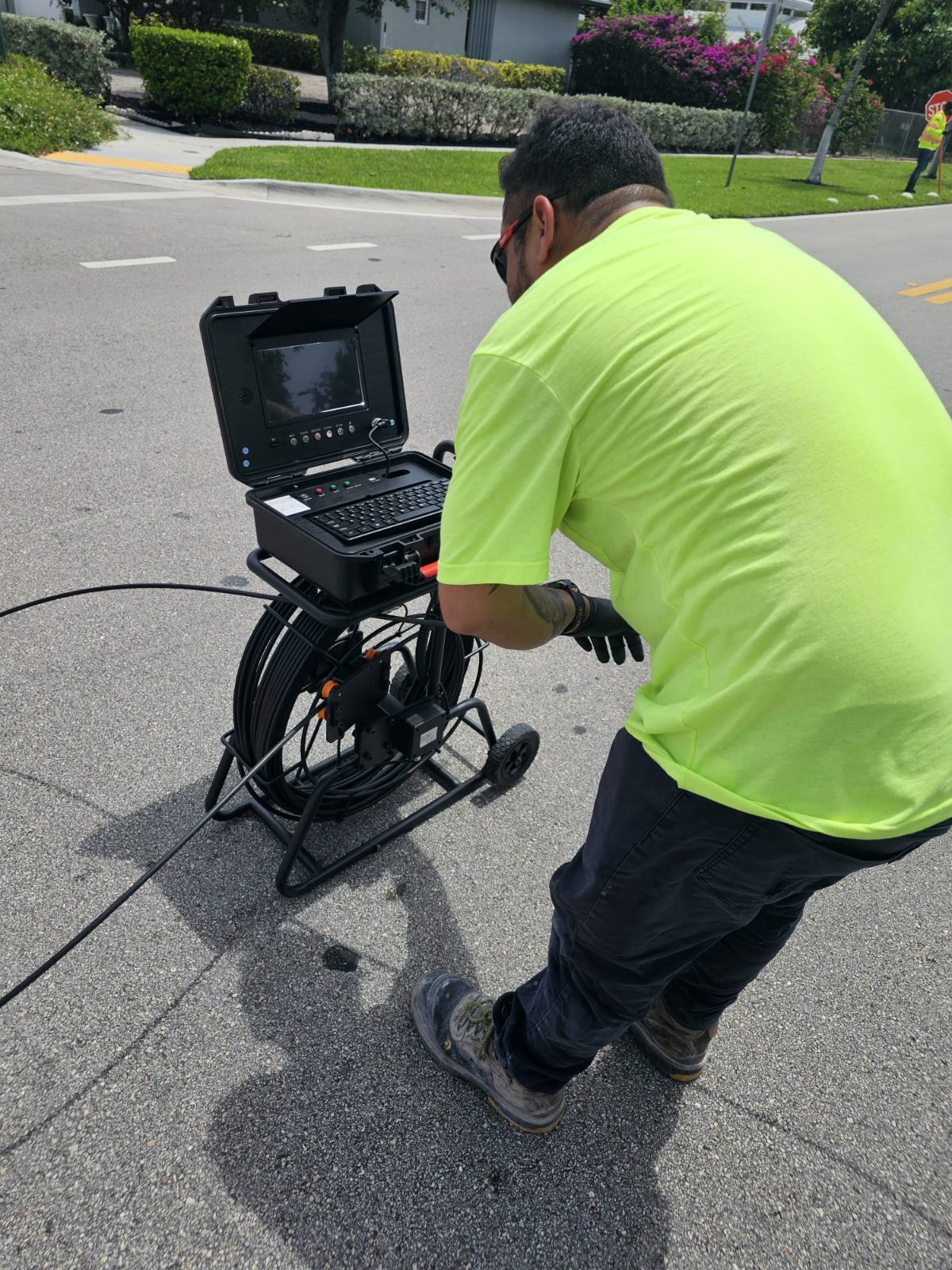
The scope is based on the planned bore path, entry and exit locations, and known or suspected utility crossings.
We consider which locating and scanning methods may help address the specific uncertainties along the route.
Findings and limitations are communicated so the responsible contractor and design team can decide what further verification is needed.
Planning an HDD installation in West Palm Beach or nearby? Share the route and proposed work areas to discuss investigation support.
Free — no obligations
Discuss the proposed route, entry and exit points, anticipated depth, utility crossings, and construction schedule.
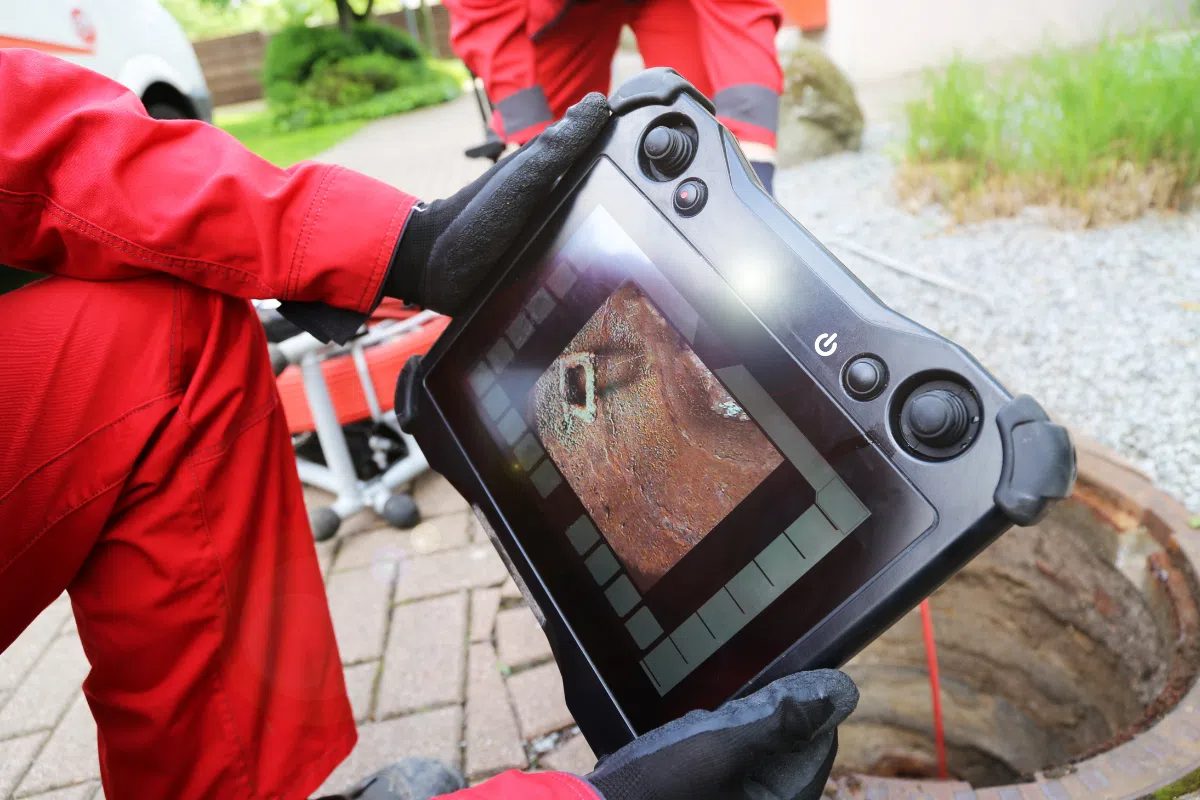
Review available utility records, access, surface conditions, and suitable scanning or locating methods.
Perform the defined subsurface investigation within the accessible and agreed work areas.
Explain potential conflicts, uncertainties, and additional verification needs to the responsible project team.