Pre-Excavation Planning
Underground Utility Locating in West Palm Beach
Identify potential underground conflicts and plan the appropriate verification steps before disturbing the ground. Get a Free Estimate
Pre-Excavation Planning
Identify potential underground conflicts and plan the appropriate verification steps before disturbing the ground. Get a Free Estimate
Underground utility locating helps construction teams investigate the possible positions of buried water lines, electrical services, communications cables, gas lines, sewer pipes, and other infrastructure. Knowing where utilities may run is an important part of planning trenches, foundations, landscaping, repairs, and new service installations.
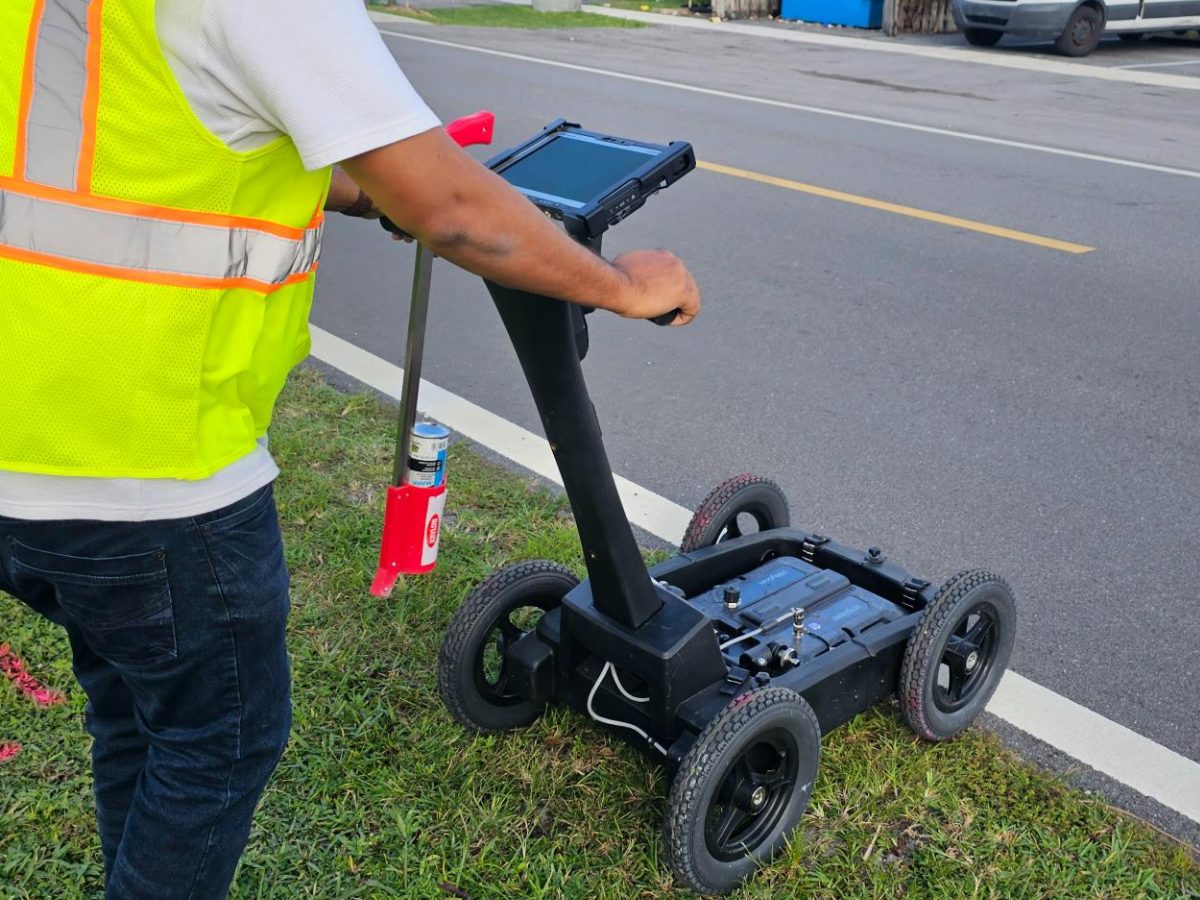
No single locating method detects every utility in every condition. Electromagnetic equipment may help trace suitable conductive lines, while GPR may identify additional subsurface features when ground and target conditions permit. Existing records, utility-owner markings, surface features, and other evidence can also inform the investigation. The appropriate approach depends on the site, utility type, depth, accessibility, and work being planned.
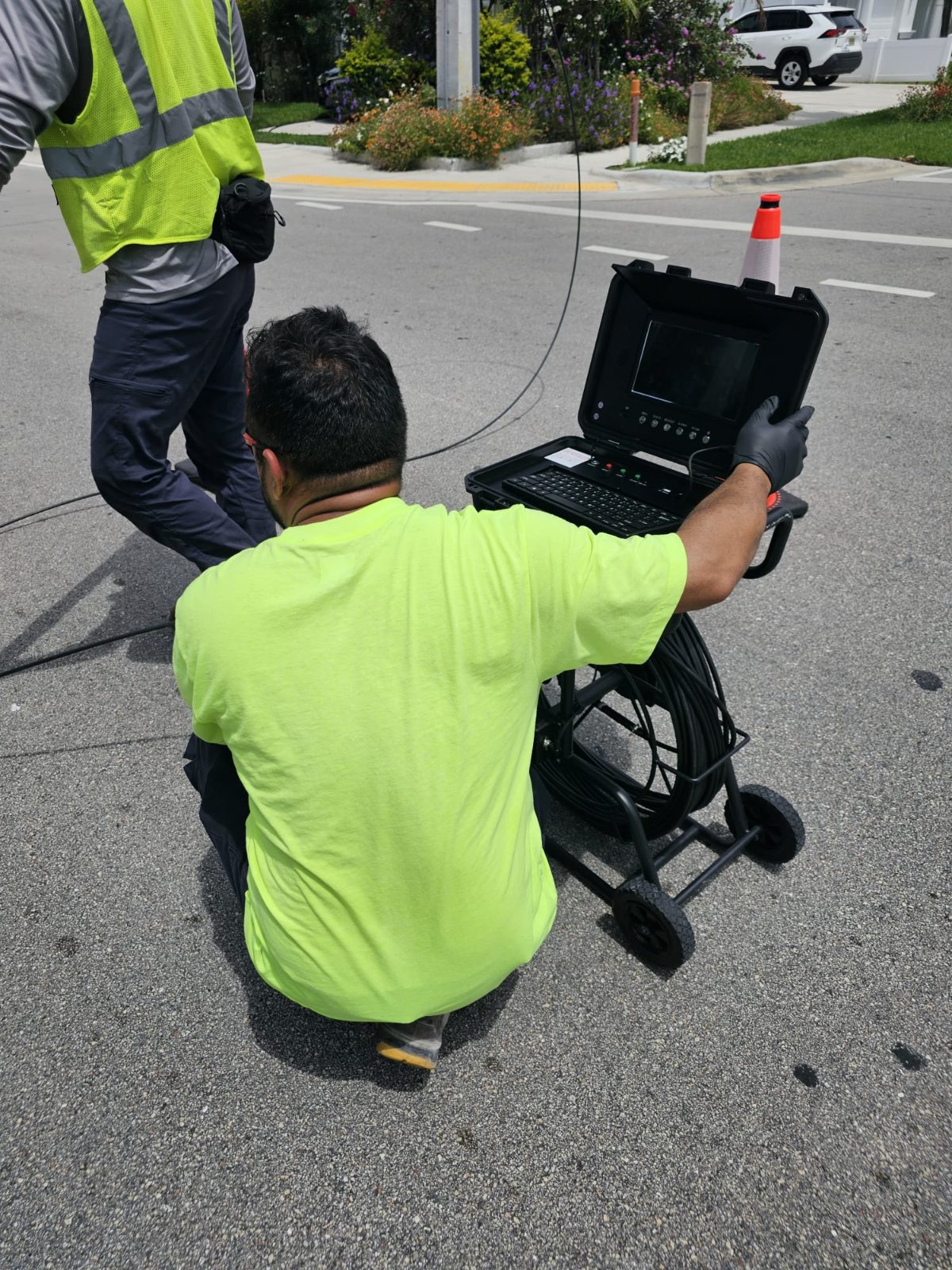
An investigation should be designed around the planned disturbance area and the utilities that could be affected. The following applications commonly benefit from advance locating.
Investigate proposed trenches and excavation areas to identify potential utility conflicts that need to be addressed before digging.
Assess areas where private services or site-owned infrastructure may not be fully represented in available public utility records.
Support planning for parking lots, landscaping, drainage work, additions, and new service connections where buried lines may constrain the design.
Investigate uncertain utility routes or potential crossings and determine whether further exposure, tracing, or verification is necessary.
| Service | Estimated Cost | Average |
|---|---|---|
| Small defined work area | Quote required | Depends on scope |
| Multiple utility corridors | Quote required | Depends on site complexity |
| Large or congested site | Quote required | Depends on methods and access |
These categories are planning guidance, not verified local market averages. Pricing depends on the site area, utility types, congestion, access, equipment, travel, schedule, and reporting requirements. Required utility notifications and utility-owner locating procedures must still be followed.
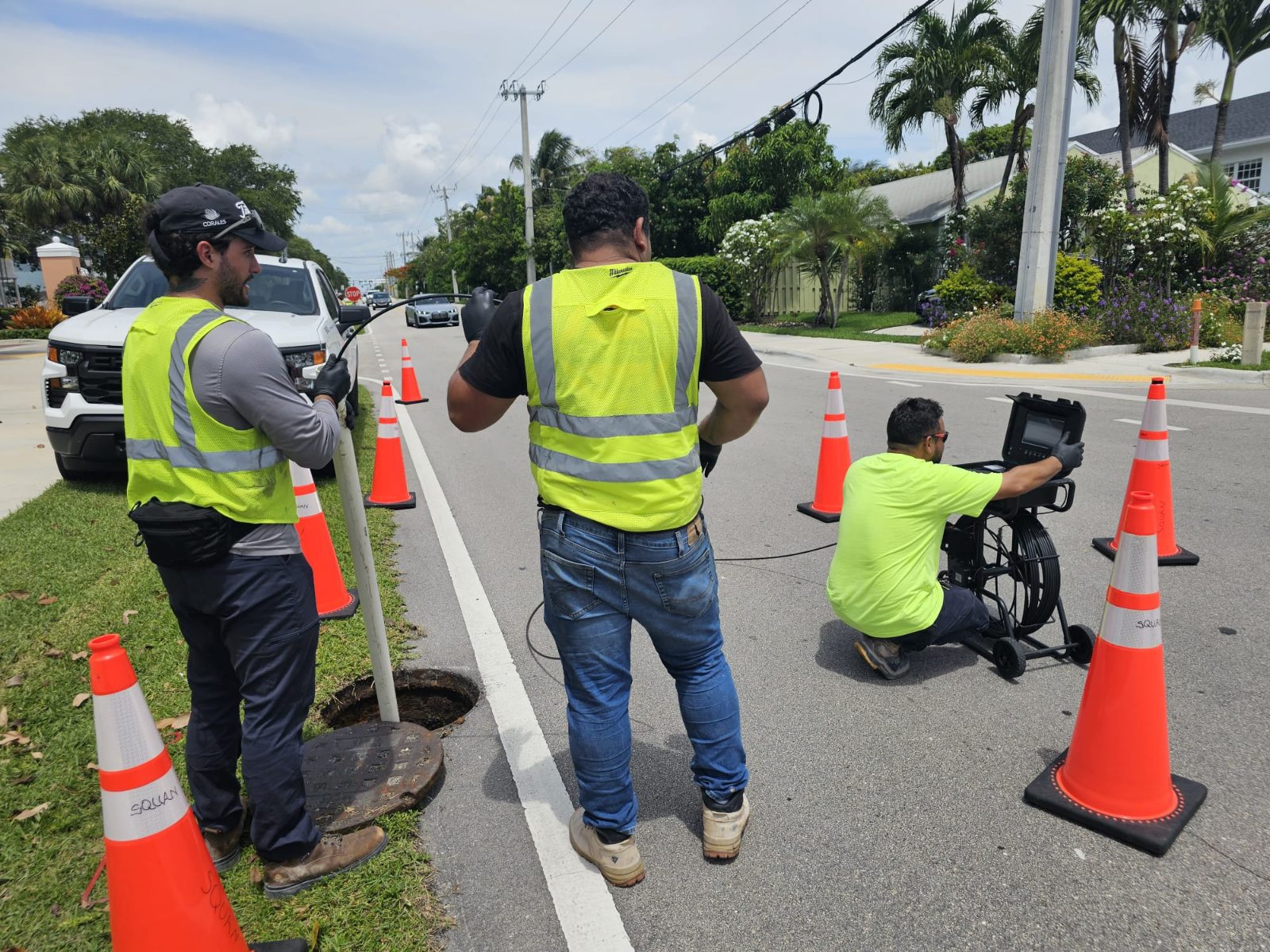
We consider whether electromagnetic locating, GPR, records review, or multiple methods are appropriate for the targets and site.
A clear understanding of the proposed trench, bore, or excavation helps define the areas that need investigation.
We encourage proper utility notifications, safe digging procedures, and verification before excavation.
Before your next trench or excavation, discuss the work area and known utility information with us.
Free — no obligations
Discuss the planned excavation, known utilities, site plans, access, and expected work dates.
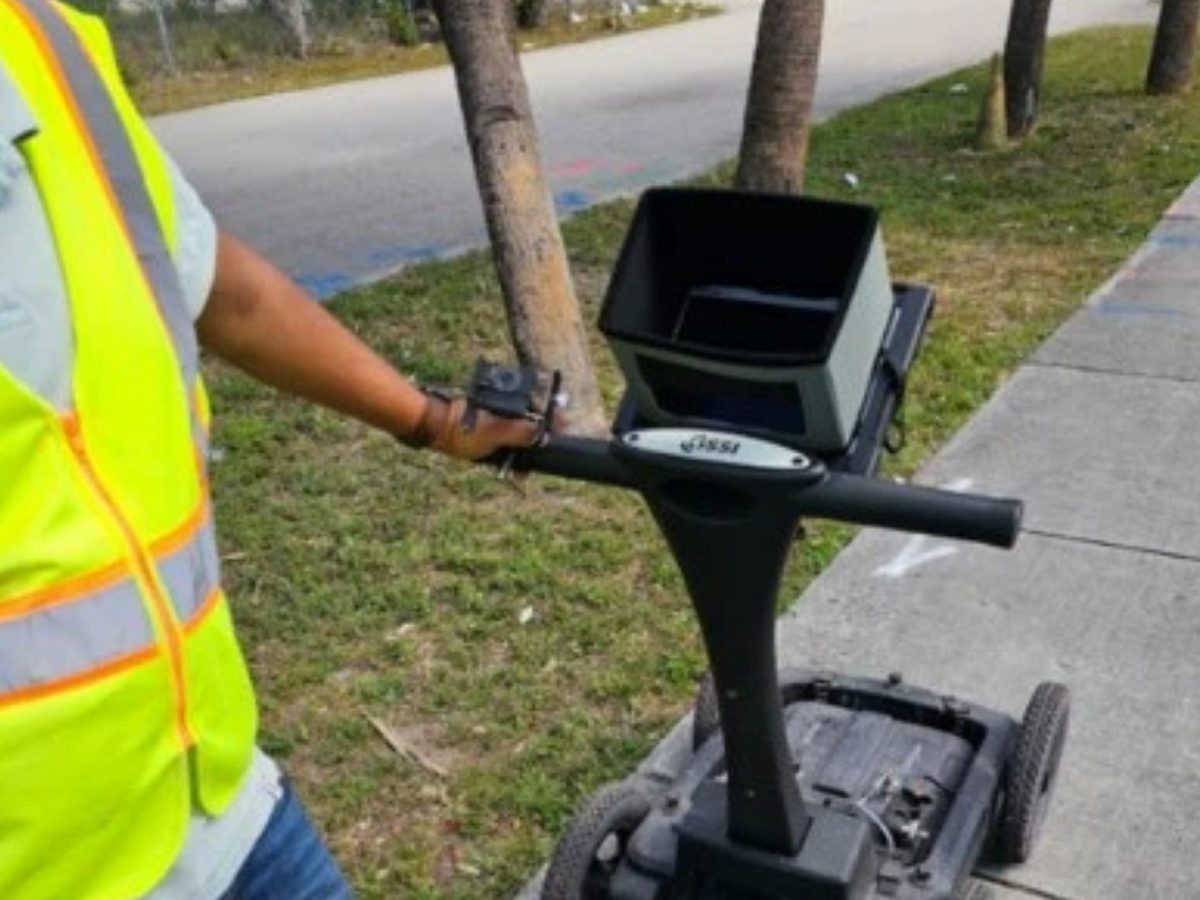
Determine which available methods are suitable for the suspected utilities and ground conditions.
Perform the agreed locating work and record relevant observations within the defined scope.
Review findings and identify any unresolved conflicts that require additional investigation or safe exposure before digging.